
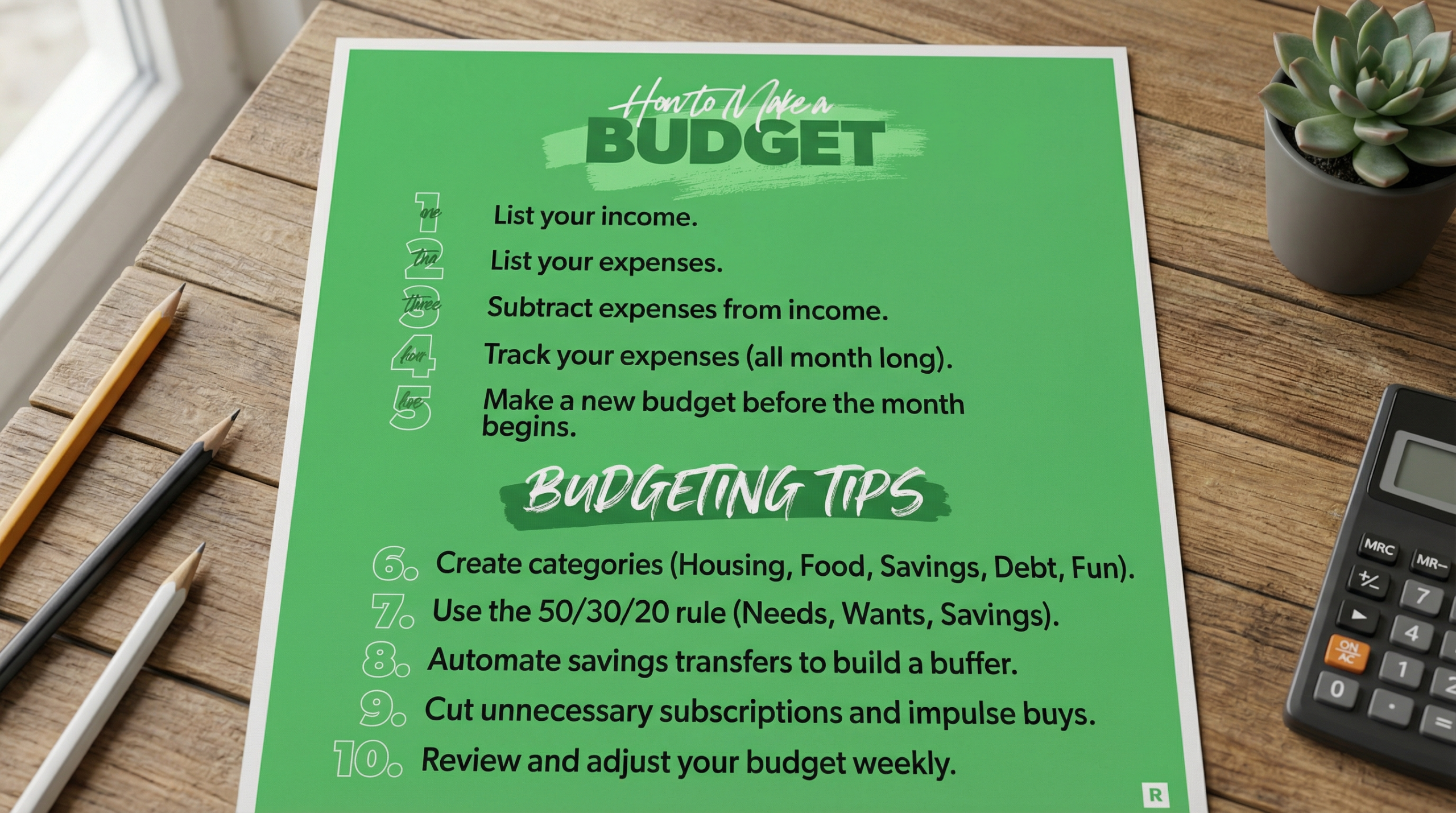
Crafting a budget is like setting the GPS on your road to financial freedom. Too cheesy? Maybe. But seriously, a realistic budget helps you map out spending without going off track. Keep it simple and honest to avoid financial headaches down the line.
Tracking expenses is your secret weapon against overspending. Whenever you buy that morning coffee or pay the electric bill, note it down. Apps can make this super easy, turning you into an expense-tracking ninja overnight!
Saving should be your best friend. Prioritize it along with the essentials. Whether it’s socking away cash for that dream vacation or just building enough for a rainy day, make sure savings take center stage in your budget.
Cash envelopes might sound old school, but they’re making a comeback. Designate envelopes for different types of spending, like dining out or movies. Once the envelope’s empty, it’s time to hit pause on that category — no cheating!
A budget isn’t set in stone. Life happens and budgets need tweaking. Revisit and adjust your budget regularly to stay on top of unexpected expenses, pay raises, or financial goals. It’s like giving your financial plan a tune-up every once in a while.
Master the 50/30/20 Budget Rule for Flexible Financial Health
Breaking down the 50/30/20 budget rule is like assembling a good playlist. You’ve got your essentials, the wants that make life sweet, and those all-important savings tracks. First, 50% of your income is for needs. Think bills, groceries, transportation. It’s the solid backbone of your financial playlist.
Then, 30% is all about your wants. This isn’t your permission to go wild, but it’s your life-enhancing section. Dining out, catching a concert, or that new gadget you’ve been eyeing – this is where those fit in. Flexibility is key as long as the fun doesn’t derail your savings.
Finally, stash 20% of your income into savings and debt retirement. Whether clearing debt or saving for future goals, this segment keeps your financial health steady. It’s like adding the classics that always pay off in your playlist.
Categorizing expenses might seem tricky. Just remember: the starring role is for essentials (needs), followed by the supporting cast (wants), and finally, a catchy tune for savings.
Balancing debt and savings can be tough. But prioritizing interest heavy debts in the savings category might speed up your way to financial freedom faster than you think.
Implementing the 50/30/20 rule can make budgeting a breeze while keeping your finances dynamic. Missteps might happen, but they’re learning opportunities to simplify and adapt your spending habits. Don’t stress it. Just learn from your mistakes and apply that education moving forward.
Reach a $10,000 Savings Goal in Just 12 Months
Setting sights on saving $10,000 in a year can feel huge, but it’s all in the planning. Break it down and aim to save about $833 each month. It sounds more manageable that way, right?
Identifying areas to trim can bump up your savings game. Are there subscriptions you forgot about? Can you cook at home more often instead of eating out? Small cuts can add up to big savings.
Automation is a game changer. Set up a system where a portion of your paycheck goes straight into savings. Out of sight, out of mind, and into your savings you won’t even miss.
Boost income with side hustles. Whether it’s freelance gigs or selling things online, any extra cash can go straight to your savings pot. Keep thinking of creative ways to add to your earnings.
Savings challenges can turn this journey into a fun race. Reward yourself for hitting milestones to keep things exciting. It’s not just about the end goal, but enjoying the ride there.
The $27.39 Rule for Incremental Savings
Ever heard of the $27.39 rule? It’s a financial hack that seems odd at first but can be a small revolution in personal savings. The idea is simple: save $27.39 every day for a year, and you’ll have $10,000 by the end. Easy math, right?
This rule taps into the power of small, consistent actions building up over time. It’s sort of like adding a few coins to a jar every day until it overflows. It reinforces that saving isn’t always about making huge sacrifices but about being steady and consistent.
Many folks compare it with saving challenges like the 52-week money challenge, where saving a bit more each week builds a nice stash. But the $27.39 rule keeps it straightforward and predictable, making it easier for daily budgeting.
Incorporating this rule can be seamless. Schedule a daily reminder to transfer $27.39 into a savings account. Some automated banking tools even let you set this up without a second thought. It makes saving a part of the daily routine, no fuss.
Sometimes the simplest strategies are the most effective. Many who’ve tried this rave about the discipline and satisfaction it brings. A little over twenty bucks a day, and you’re on your way to a substantial nest egg. It’s all about making the math work in real life.