
Debt comes in many forms, and knowing these can save you a lot of headaches. Whether it’s credit cards, student loans, or mortgages, each one plays a part in how your credit score shapes up. Understanding this is your first step toward unraveling the mysteries of credit impact.
Your credit score isn’t just a random number. It’s calculated based on several factors like your payment history, how much debt you’re juggling, and the variety of credit accounts you maintain. Knowing these components helps paint a clearer picture of where you might stand.
When you carry debt, it connects directly to your credit score like peanut butter to jelly. High debt levels can drag your score down, making lenders hesitant. It matters how much you owe and how efficiently you manage that debt.
There are a lot of myths floating around about debt and credit scores. Some folks think having any debt will wreck their score, but that’s not entirely true. Properly managed debt can actually improve your credit over time. Debunking these myths is crucial for grasping how to work with your debt effectively.
How Debt Affects Your Credit Score
Credit utilization is a big piece of the credit score puzzle. If you’re swiping those credit cards often, your balance relative to your limit needs to be in check. Keeping it within a reasonable range, ideally below 30%, shows you’re not overextending yourself financially.
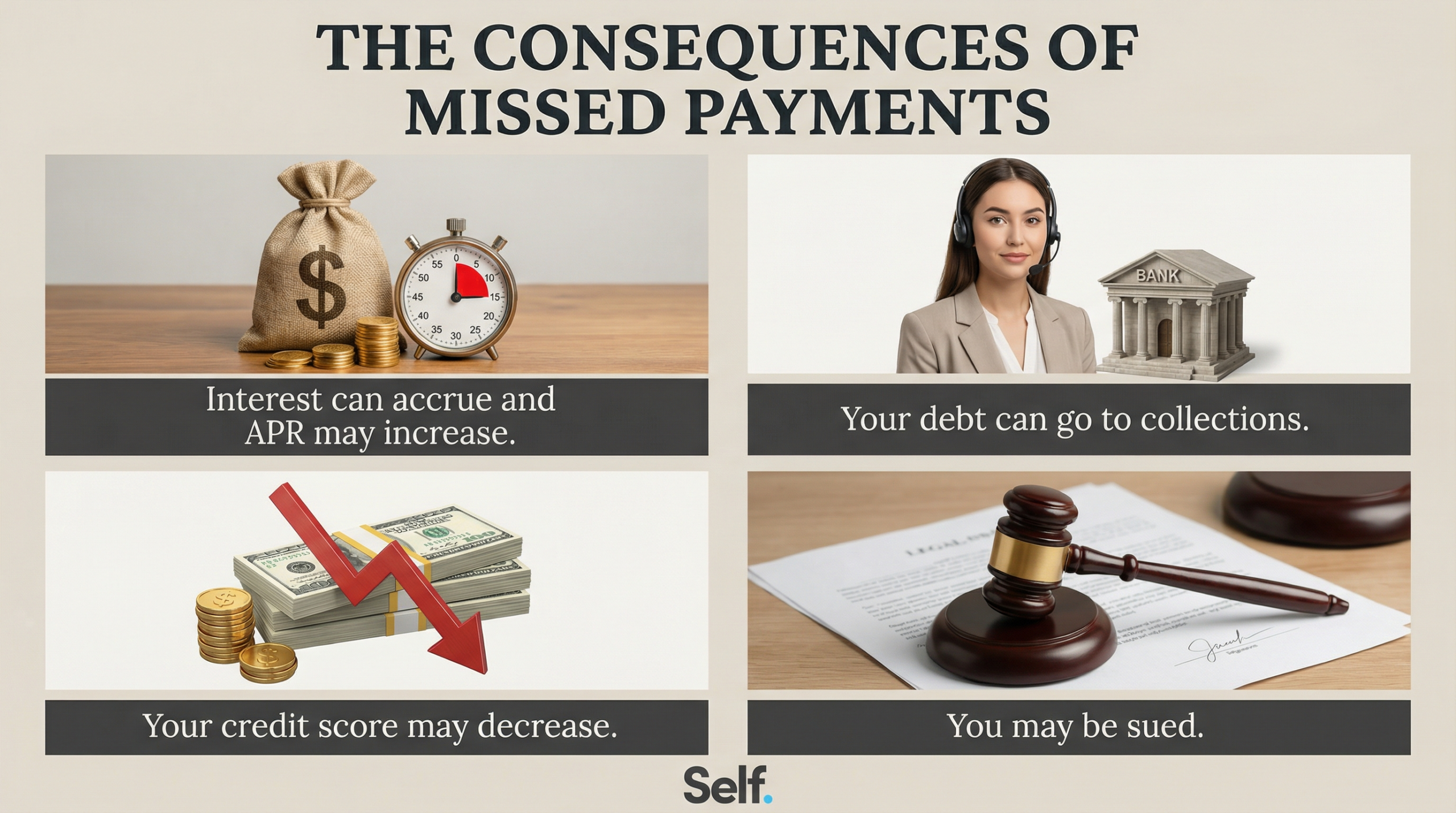
Consistently paying bills on time is more than just good habit it’s a key player in maintaining a healthy credit score. Late payments can cast a long shadow over your credit report, affecting scores significantly. Regular, on-time payments are a simple way to keep your credit score strong.
The debt-to-income ratio isn’t directly tied to your credit score, but it plays a role in how lenders view your financial health. A high ratio might suggest you’re biting off more than you can chew, which could lead to hurdles in getting new credit.
Different types of debt impact your score in varied ways. Secured debts like mortgages might be less risky in lenders’ eyes compared to unsecured debts like credit card balances. Knowing the difference helps you understand how each affects your credit report.
Improving Your Credit Score Despite Debt
Managing debt doesn’t have to feel like a never ending battle. Setting up a realistic budget is a solid start to tackling financial obligations. Aim to pay more than the minimum balance each month to chip away at the principal you owe faster.
Keeping an eye on your credit report can uncover errors or inconsistencies that might be dragging down your score. Requesting a free credit report at least once a year gives you the chance to spot and dispute any inaccuracies.
Prompt and steady payments are your ticket to nurturing a healthier credit score. Consider setting up reminders or automatic payments to avoid missing due dates. It’s all about creating habits that help you move forward.
Real stories of people who faced debt and rose above it can be deeply motivating. Whether through debt consolidation, strategic planning, or disciplined spending, these examples can offer both hope and practical tips you can apply in your own journey.
Dispelling the 7-Year Credit Myth
The belief that debts magically disappear from your credit report after seven years isn’t entirely on the mark. While most negative items, like late payments, often lose their impact after this period, certain debts can hang around much longer.
Some debts, especially those tied up in court judgments or unpaid taxes, don’t have to abide by the seven-year expectation. These exceptions can stick around, affecting your financial profile way past the typical time frame.
Understanding these quirks in the credit system helps you better navigate how debt actually interacts with your report over time. It’s crucial to know what stays and what goes to manage your financial strategy effectively.
Taking proactive steps can help minimize lingering effects. Engaging with creditors to settle or negotiate debts helps control what’s reflected on your report. While time heals some financial woes, taking ownership steers you toward better financial health.
Ole Boy wants to drive home the point that we ALL have flaws and imperfections. Just because you can’t see someone else’s imperfections doesn’t mean they’re not there. Ole Boy doesn’t care about the other peoples flaws when it comes to you.
Learn and grow, chip away at your imperfections. If you don’t reach your goals some months, that’s okay. Refocus on the next month and work to achieve that daily, weekly, or monthly goal. Keep working on it!!! A few failures along the way in life’s journey should not prevent you from accomplishing your goals.