
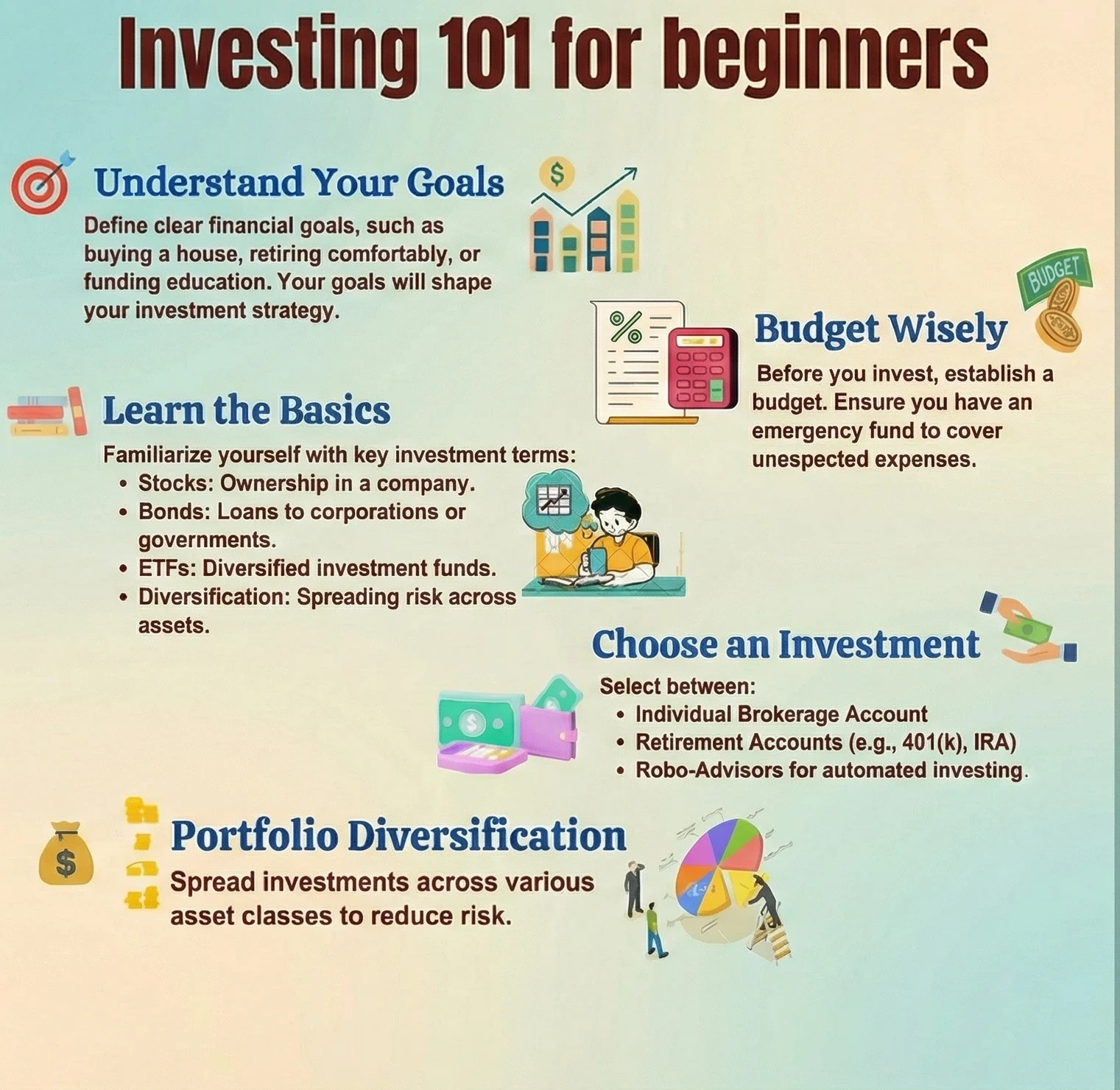
Investing is all about putting your money to work for you, with the goal of growing it over time. Unlike saving, where money typically stays in one place, investing involves using capital to acquire assets expected to produce returns or grow in value.
One big thing to understand is the difference between saving and investing. Saving focuses on safety and liquidity, often for short-term goals, while investing aims for higher returns and involves a degree of risk. Both are important parts of a financial strategy, but they serve different purposes.
Every investment involves a bit of risk, which is essentially the possibility of losing some or all of your investment. The key is finding the right balance between risk and potential return that you’re comfortable with. As a new investor, comprehending this risk-return tradeoff should be top of mind.
There are myths floating around that investing is only for the wealthy or that it’s a sure way to get rich quick. Neither is true. You don’t need a fortune to start investing, and successful investing is more about patience and knowledge than luck.
Having a solid foundation in financial basics is a major asset. Understanding concepts like compound interest, diversification, and economic indicators can make a real difference in your investment journey. Seeking out solid financial education can set you up for long-term success.
Getting Started: Steps To Begin Your Investment Journey
Before you dive into the world of investing, start by identifying your financial goals. Whether it’s saving for a house, building retirement funds, or creating a college fund, knowing what you want to achieve will guide your investment choices.
Risk tolerance is your personal comfort level with uncertainty in the market and possible losses. Understanding your risk tolerance is crucial to making informed decisions that won’t keep you up at night.
Coming up with an investment plan is key. This should outline your financial goals, timeline, and risk appetite. Think of it as your investment roadmap.
Diversification is a must—it involves spreading your investments across different asset types to reduce risk. Don’t put all your eggs in one basket, as they say.
Choosing the right investment account is equally important. Options include brokerage accounts for flexible investing or retirement accounts like 401(k)s and IRAs for long-term growth.
Don’t underestimate the impact of starting early, even with modest amounts. Thanks to compound interest, time is one of your biggest allies in growing wealth.
Navigating Investment Types: Which Options Are Right For You?
Choosing where to put your money can feel overwhelming, with so many types of investments out there. Stocks are shares in companies and offer potential for high returns, but they also come with higher risk.
Bonds, on the other hand, are loans you give to corporations or governments. They’re generally safer than stocks but usually offer lower returns.
Mutual funds pool money from many investors to buy a diversified portfolio of stocks and bonds. They let you spread out risk, making them a good option for beginners.
Real estate can also be a solid investment. Whether it’s residential or commercial property, it has the potential for steady income and long-term appreciation.
Alternative investments like cryptocurrencies, ETFs, and REITs offer new ways to grow your money. Each has unique benefits and challenges, so understanding them is key before diving in.
Every investment type has its pros and cons, so it’s important to evaluate how each one aligns with your financial goals and risk tolerance.
Tools And Strategies: Building A Sustainable Investment Approach
Developing a solid investment strategy is crucial for long-term success. Whether you’re interested in passive investing, where you hold investments for the long term, or active investing, which involves frequent buying and selling, understanding your strategy is key.
Asset allocation involves deciding how to distribute your investments among different asset categories like stocks, bonds, and cash. This mix should reflect your investment goals, risk tolerance, and timeline.
Today’s digital age offers numerous tools and resources that can simplify managing investments. From online brokerage platforms to financial planning apps, leveraging these tools can enhance your decision-making process.
Setting clear short-term and long-term goals helps in creating a structured plan. While short-term goals might involve saving for a vacation, long-term goals could include retirement planning or buying a home.
Staying adaptable in the investment world is important too. Emotions can often cloud judgment, so having the emotional intelligence to handle market shifts and volatility can prevent hasty decisions and promote healthier investment habits.
Beyond Basics: Enhancing Your Investment Knowledge
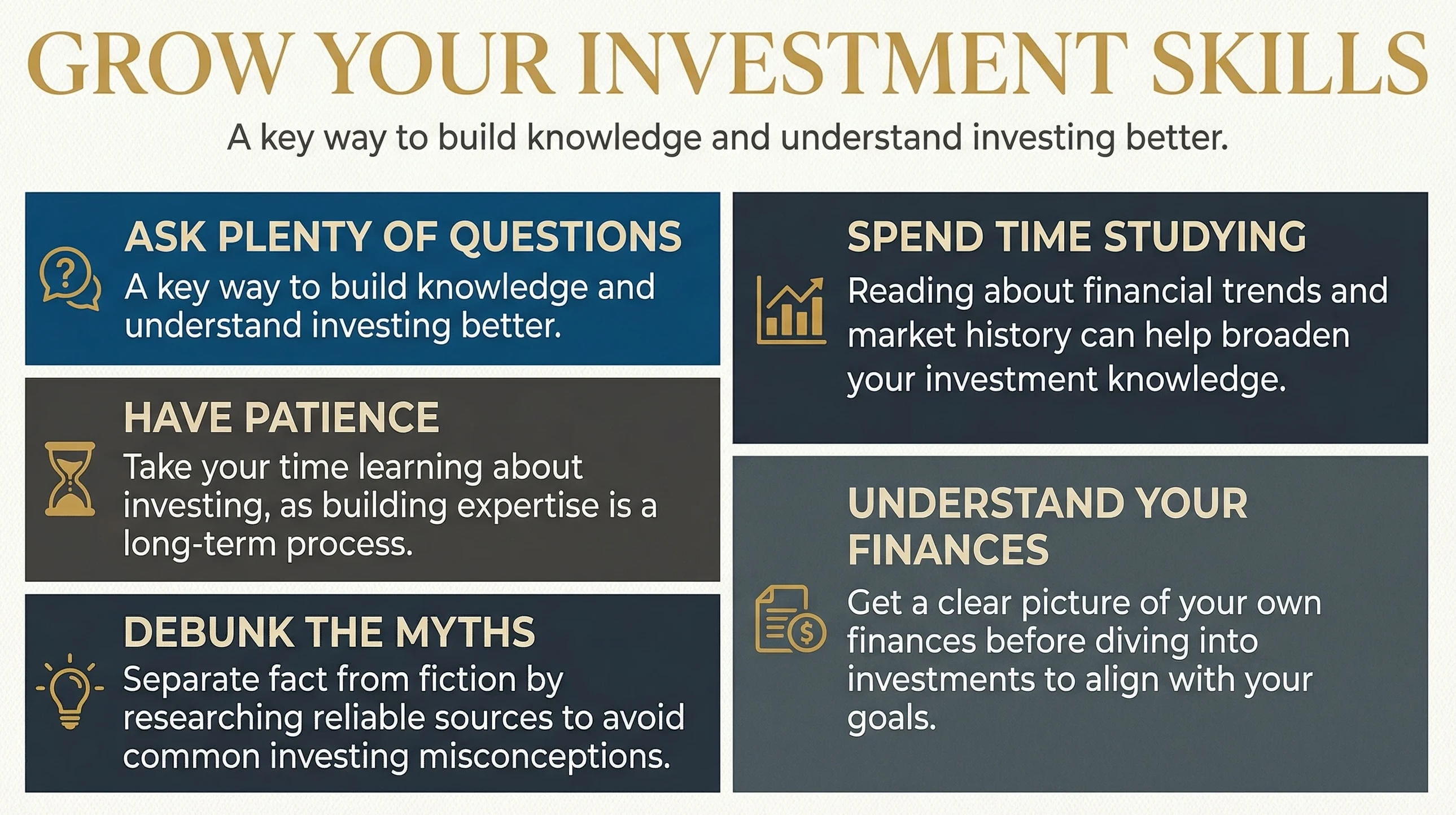
Staying informed is a game-changer. Keeping an eye on financial news and market trends can help you make better investment decisions and identify new opportunities.
Continuous learning keeps you ahead. Engaging in ongoing education—through courses, books, or podcasts—helps deepen your understanding of market dynamics.
Building connections within investment communities opens doors to shared insights and potential collaborations. Networking events, online forums, and investment clubs can be valuable resources.
Financial advisors can offer guidance tailored to your specific situation. They can provide insights into optimizing your strategy, navigating market uncertainties, or achieving specific financial goals.
Enhancing your investment knowledge isn’t just about personal growth. It’s about gaining confidence and building a sustainable plan that aligns with your long-term vision.