
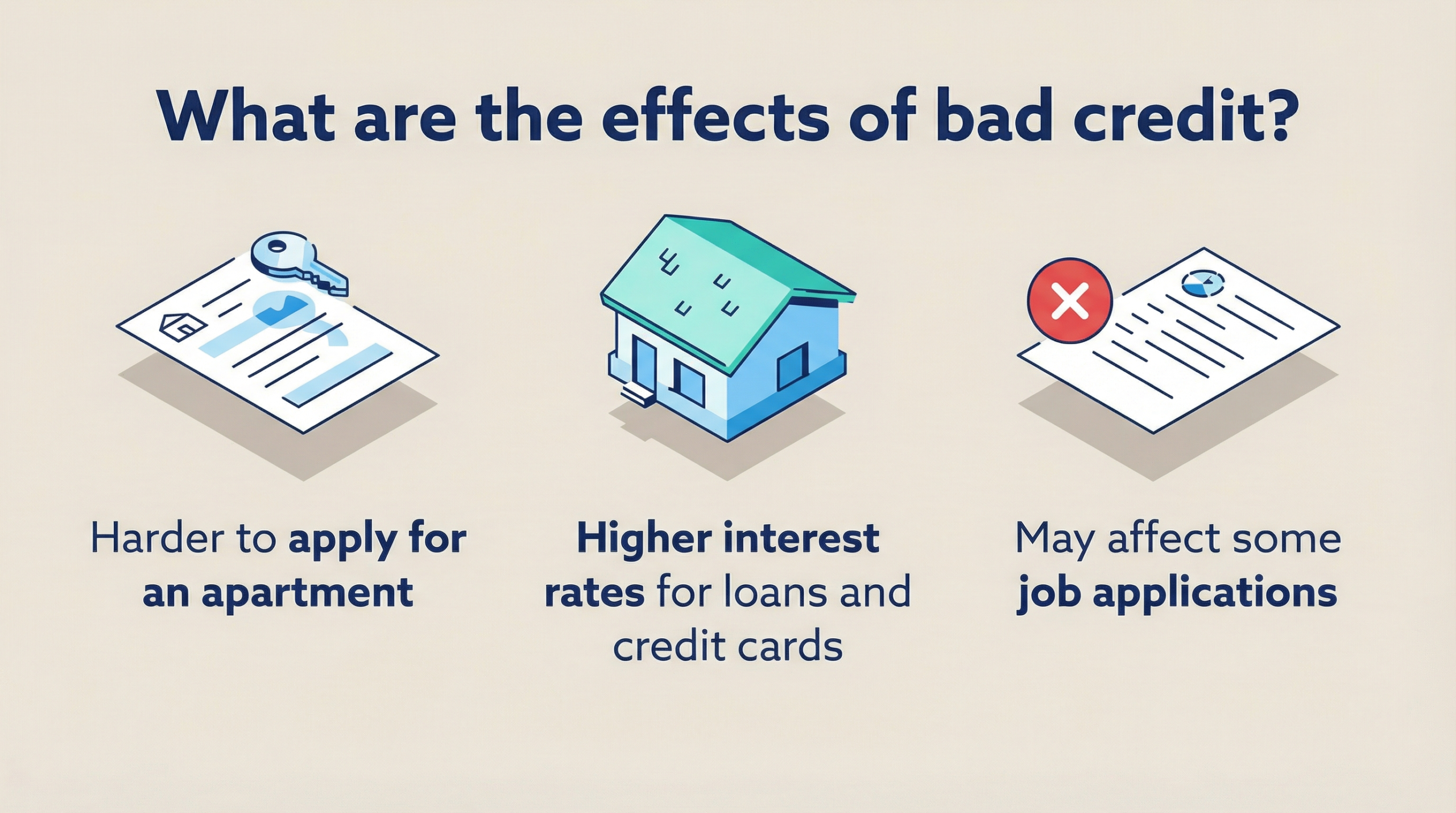
Knowing your credit score is like having the pulse on your financial health. It plays a crucial role in everything from getting a loan to renting an apartment. Here’s how you can get started with checking yours without any stress.
You can snag your credit score for free each year from the big three credit bureaus: Experian, Equifax, and TransUnion. Head over to AnnualCreditReport.com—it’s legit and the official site authorized by the government.
If you’re itching to check more frequently, financial apps and credit card statements are your friends. Many banks and credit card companies offer free credit score access to customers as part of their services.
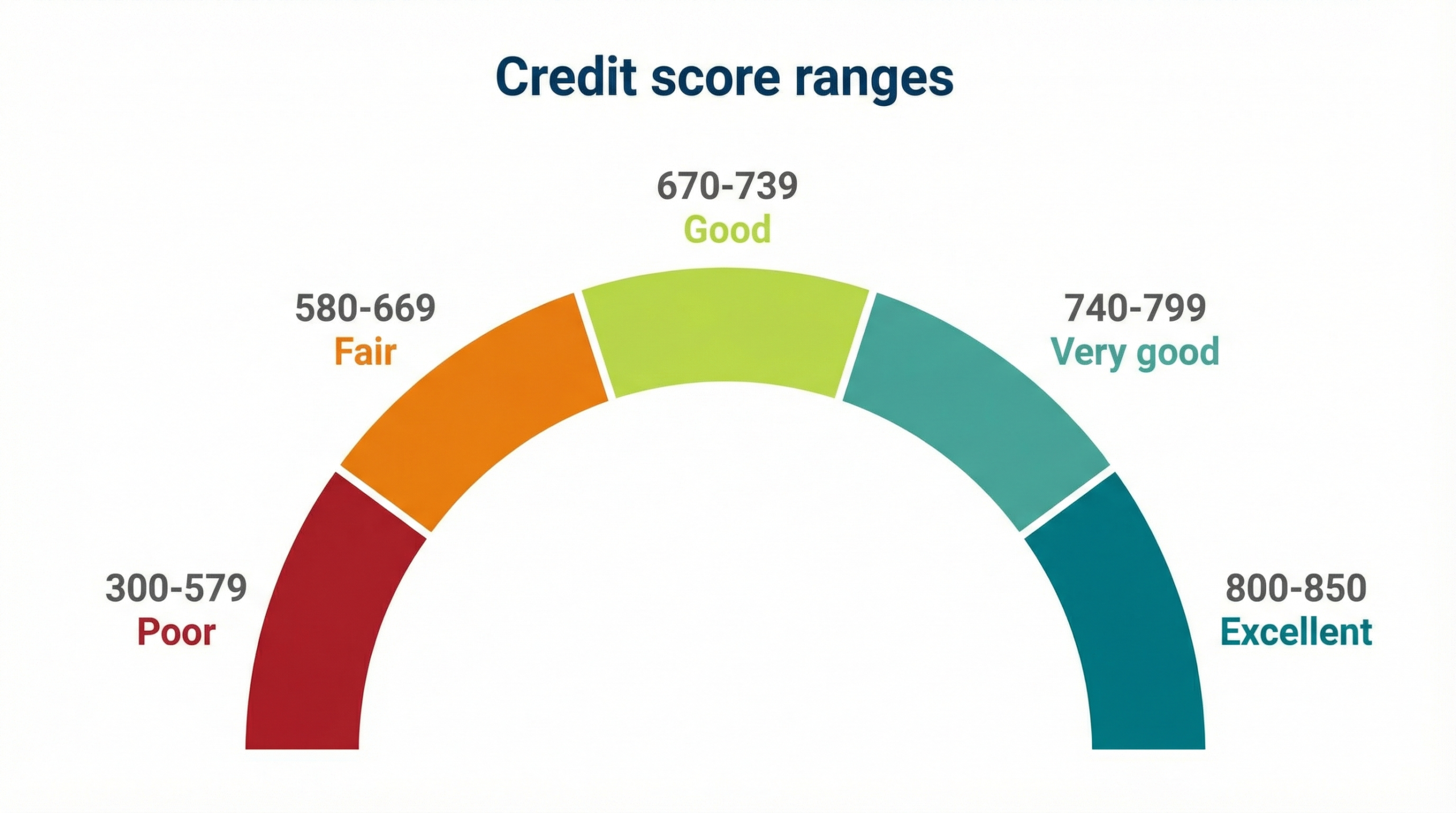
When you check, you’ll see a number—and surprise! It’s not just about this number being high or low. You need to know what it all means. A high score? That’s your ticket to better deals and lower interest rates. A low score? It might mean higher costs or need a little TLC to bring it up.
In short, getting your credit score is easier than spotting a sale on Black Friday. Keeping tabs on it helps you plan your financial future and navigate through life’s big decisions with confidence.
Explaining Credit Score Calculations – What You Need to Know
Credit scores aren’t just pulled out of thin air; they’re calculated using clear-cut criteria. To get on top of things, understanding how these scores are cooked up is key.
You’ll mainly encounter two scoring models: FICO Score and VantageScore. Although they might seem similar at first glance, each has its quirks. For most lenders, FICO is the go-to, but don’t let VantageScore slip off your radar.
Breaking down the numbers, five main factors are shaping your score. Your payment history weighs the heaviest—it accounts for about 35%. So paying bills on time? That’s a big win! The next biggie is how much you owe, which carries about 30% of the weight. After that, it’s the length of your credit history (think along the lines of ‘the longer, the better’).
Next up is new credit. Opening too many new accounts in a short period can send the wrong signals to lenders. Lastly, there’s the credit mix—having a variety of credit types, like credit cards and loans, can boost your score slightly.
Misinformation loves to float around. One big myth? That checking your score will knock it down. Nope, checking it yourself is what’s called a ‘soft inquiry’ and doesn’t affect your score at all.
Want to give your score a nudge? Keep those credit card balances low, pay off debt rather than moving it around, and make sure to keep old accounts open. These small steps can make a big difference over time.
Maximizing Credit Score Positive Impact – Strategies for Financial Success
Your credit score can be a game-changer in numerous life situations, like when you’re applying for a mortgage or considering a personal loan. A decent score might bag you better interest rates, saving you some serious cash in the long haul.
To get your score in top shape, it’s all about strategizing. Keep an eye on your credit card balances and aim to use less than 30% of your limit. Paying off your debt rather than moving it around can also give your credit report a shine.
Whenever possible, consolidate debts with the highest interest rates. It helps you pay off faster while easing up on the number of accounts you’ve got juggling.
Nobody loves being kept in the dark, especially when it comes to finances. Regularly monitoring your credit score can alert you to possible cases of fraud or inaccuracies in your credit report. Spot a mistake? Report it pronto to avoid any long-term harm.
For those who feel like the credit score gods are not on their side, remember it’s just a number. Take actions that boost your financial standing, like paying off loans and keeping up with bill payments.
By putting these strategies into play, you can turn credit score challenges into opportunities for financial growth.