
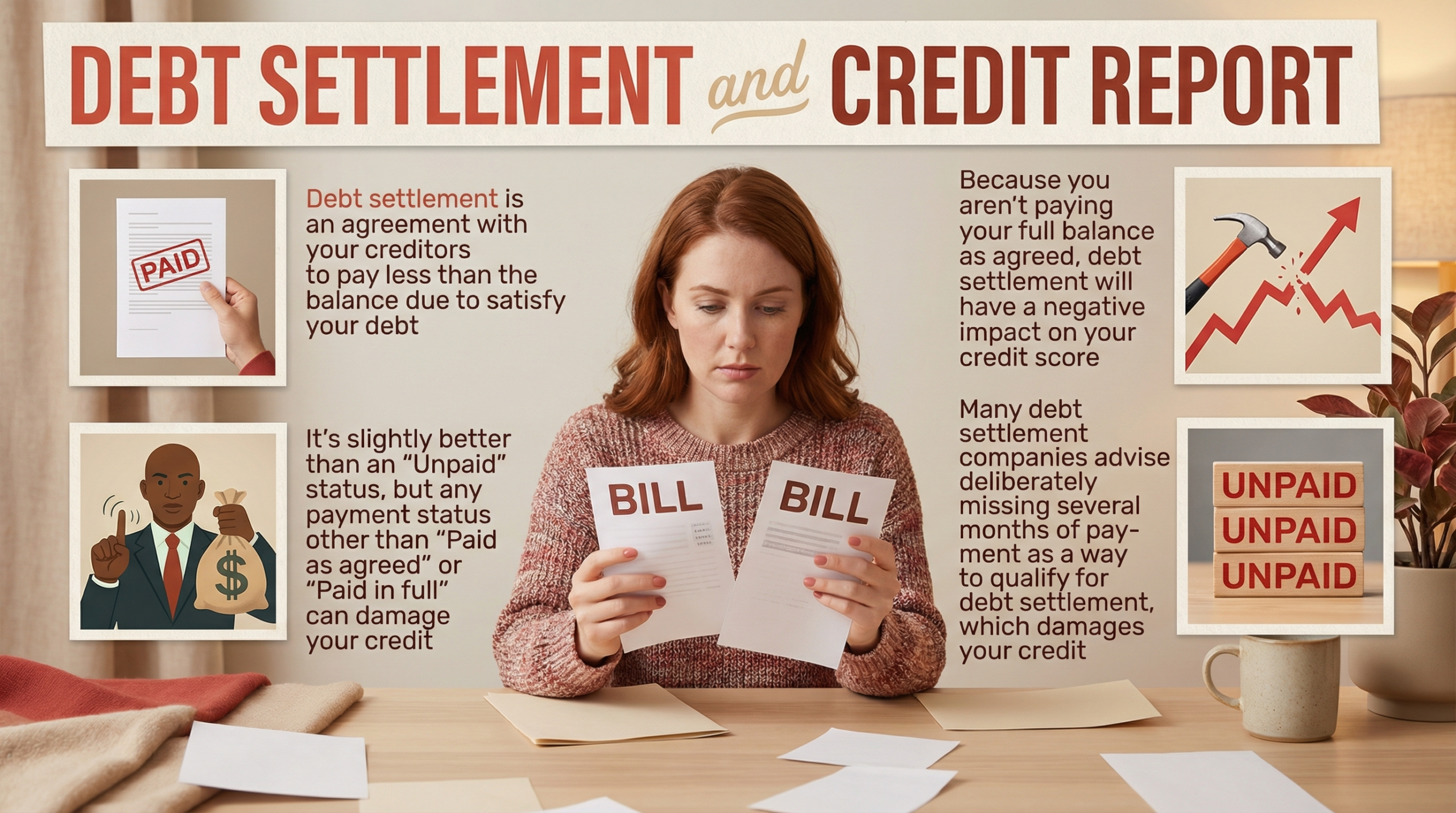
Debt consolidation can sound like a magic solution when juggling multiple debts. It’s all about merging several debts into a single one, usually with a lower interest rate. This makes your financial life a bit simpler because you’re left with just one monthly payment to worry about.
Debt consolidation works by taking out a new loan to pay off all your smaller debts. Essentially, you’re swapping several payments for one. This generally works best for unsecured debt like credit cards or medical bills. Mortgages and student loans, though, usually don’t qualify for consolidation in the same way.
While debt consolidation might seem like a quick fix, it comes with its own set of challenges. One significant downside is the potential to fall back into bad habits. If you don’t address the underlying spending behavior, you could end up with even more debt. Plus, depending on the terms you qualify for, you could also pay more over the life of the loan than if you had just tackled the debts independently.
There’s also a lot of misinformation floating around about debt consolidation that can throw you off track. Some think it’s an easy way out of paying what they owe, but it doesn’t erase your debt you’re just restructuring it.
It’s also not always guaranteed that you’ll get lower interest rates. Your credit score and the loan terms will largely dictate your options.
Ole Boy Tip >> look at the interest payment amount separate from the principal amount. Decide if a new loan will cost less interest than the amount of interest you’re currently paying. The Principal amount is fixed. It will only decrease. The interest payment is what cost you, more or less, while you are paying the down the principal.
In a nutshell, understanding debt consolidation involves weighing its benefits against potential downsides. It can simplify your payments and potentially reduce what you’re paying each month, but it requires a level of financial discipline to make sure you don’t wind up in a deeper hole.
Financial Calculations: What to Expect
When you’re considering debt consolidation, you’re probably thinking about the numbers—specifically, how much is this actually going to cost? It’s all about breaking down the figures to see if it’s a sensible step for your pocket.
Let’s take a look at a $50,000 consolidation loan to give you a real feel for what you might pay monthly. Assume we snag a loan at a 6% interest rate over a 10-year term. Doing some quick math, you’re looking at a monthly payment of roughly $555. Now, this can change based on the interest rate you get and the length of your loan term. If the interest soars or the repayment period extends, those numbers would shift too.
It’s also crucial to consider the potential hidden costs that come with consolidation loans. Sometimes, there are fees for taking out the loan, like application or origination fees, that can swell the amount you owe. Factoring these into your calculations will give you the full picture of what you’ll be paying over the duration of the loan.
People often question whether consolidating is the cheapest option out there. However, this depends heavily on the interest rates of the new loan compared to your current debts. If your consolidation loan interest rate isn’t lower than your existing rates the savings will not materialize.
These numbers can seem overwhelming, but crunching them is essential to making a well rounded choice on consolidation. It’s all about finding a stable path that leads to less stress and more financial freedom at the end of the day.
Strategies for Efficient Debt Repayment
Tackling a hefty $30,000 debt might sound daunting, but setting up a solid repayment plan can make it doable. Say you’ve got your sights set on clearing this amount in two years, it’s time to think strategy. First up, you’d divide that across 24 months, which means shelling out about $1,250 monthly, give or take, depending on interest rates. This requires rigorous budgeting discipline, but seeing that debt shrink each month can be incredibly motivating.
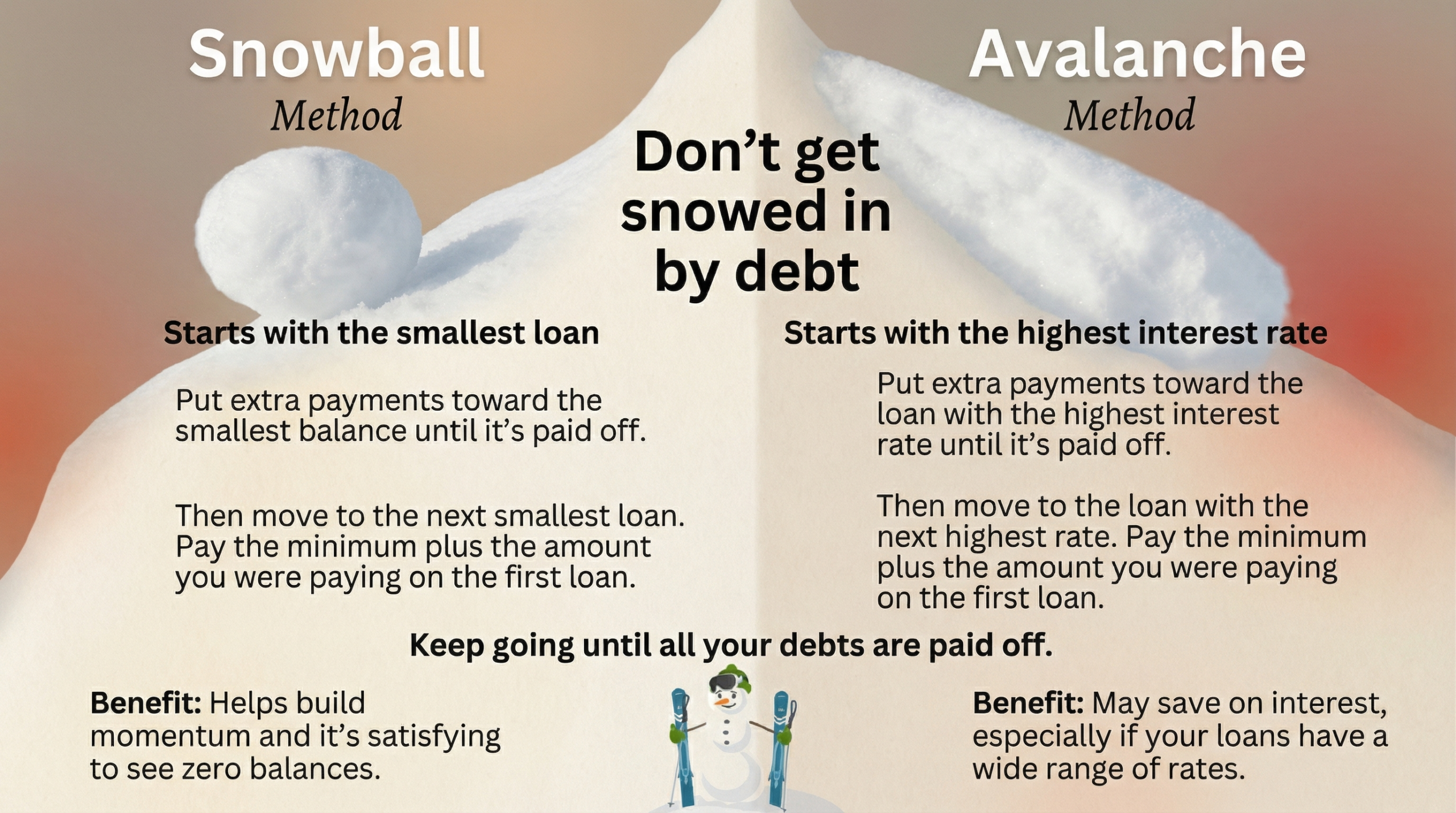
Deciding between the debt snowball and debt avalanche methods can also significantly impact your payoff journey. The snowball method focuses on paying off the smallest balances first, giving you quick wins and momentum. The avalanche method, on the other hand, targets high-interest debts, which in the long run, can save you more money on interest. Which one’s your best bet? That depends on whether you’re more motivated by seeing accounts close or by minimizing your overall payment.
Your Ole Boy likes the Avalanche method due to the overall savings over the lifespan of the repayment model. However, I have used both methods of repayment and have had success with both. This is a personal choice that each person should feel good about. Remember, make progress in reducing the debt, even if it cost a little more long term.
Structured planning is key, too. Budgeting becomes your new best friend. Reduce unnecessary spending, and channel those savings into your debt payoff.
Ole Boy tip >>List out all your expenses and see which ones you can adjust or entirely cut back on. A few lifestyle tweaks could free up more cash than you’d expect.
Negotiating with creditors could also unlock better terms, possibly lowering the total amount you owe. Creditors might be open to cutting a deal if it means they’ll get paid rather than risk non-payment.
Adopting these strategies requires commitment and a game plan. But by tackling debt head on and making smart moves, you can take control of your financial future and steer clear of a perpetual cycle of debt.
Optimizing Financial Management for Long-Term Success
Keeping your finances in check isn’t just about making a few right moves here and there—it’s a marathon, not a sprint. Developing a balanced financial management strategy is like crafting a personalized playbook for your money, ensuring that every dollar works towards a bigger goal.
Evaluating whether to seek professional financial guidance can be a game changer. Financial advisors bring expertise and can offer strategies that you might not have considered. But ensure you find someone trustworthy and qualified who aligns with your own goals and values.
Tech can be your ally in managing finances. There are tons of apps and online tools designed to track expenses, budget, and even invest. These digital helpers make maintaining financial health more accessible and keep you updated on your progress.
Education doesn’t stop after school, especially in the fast-evolving world of finances. Keeping yourself in the loop with the latest trends and financial tricks can make a big difference. Courses, articles, and financial podcasts can serve as ongoing learning platforms.
Setting long-term financial goals and sticking to them gives direction and purpose to your budgeting efforts. Whether it’s achieving financial freedom, buying a home, or traveling the world in retirement, clear goals provide motivation and a roadmap to follow. Meeting these targets takes a good mix of careful strategy, discipline, and sometimes a bit of professional help.
Retirement Considerations: Planning for the Future
Planning for retirement might feel like a maze of uncertainties, but identifying key expenses can help you navigate with confidence. One of the biggest expenses is healthcare, which can eat up a large chunk of your retirement savings. Cooking up a healthcare plan before you hit the golden years can save you from unexpected costs down the line.
Figuring out if $6,000 a month is a good retirement income comes down to your lifestyle and location. If you’re living modestly or in an area with a low cost of living, that amount might cover your needs comfortably. But in higher cost locales or with an active lifestyle, you might find it tight. Forecast your projected expenses to gauge whether that nest egg will hatch as intended.
Retirement blunders can set you back, so avoiding common mistakes is crucial. A biggie is not having a diversified portfolio. Relying too much on one investment type can be a gamble. Spread your investments across different types to cushion against market impacts.
Another mistake? Ignoring the effects of inflation. Over time, it nibbles away at your money’s purchasing power. Make sure your retirement plan factors in some growth to offset this.
Having a backup plan is part of a smart retirement strategy. Whether it’s an emergency fund or a side income source, these contingencies can keep your financial picture rosy even in unpredictable situations. These steps might demand some planning now, but they’ll help ensure your golden years are just that, golden.